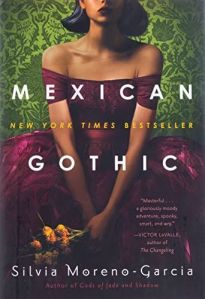
 Deconstructing a Gothic Stew
What kind of book do I want to write? Let me see…
First, I want it to be scary and otherworldly. It should take place in a big house where a rather strange family resides. The family should be multigenerational and include in laws and other extended family members. This is a rich family, but secretive, especially on matters concerning their wealth and how it was accumulated. There are dark secrets spanning generations.
This house should hover on a “high place” that looks down on the rural village below. Along will come a city person, an outsider, skilled in the social graces of chic environments but totally unfamiliar with the rustic ways of country people. Certainly, this person will clash with the family up on the hill, who are strange even for rural folks. Alas, this person will have to live with them, try to understand them and uncover unimaginable secrets. Of course, there will be some romance in all this
This sounds like a gothic novel. Therefore, it is!
But most gothic novels take place in the UK with their passed-down castles and estates , or in the US in large mansions in the northeastern states, or on southern plantations. I don’t want that. I am going to put my big house….hmmm….where should I build such a….I got it! In Mexico! In the 1950s Mexico. The house will be called High Place.
Gothic Novel in Mexico = Mexican Gothic! That’s what I will call my book – Mexican Gothic
************
Yeah, so, I am sure the above scenario was not how Silvia Moreno Garcia approached the construction of her novel. I hope I didn’t sound too glib describing this fictional approach to fiction writing. Mexican Gothic is , afterall, a good book, despite some flaws. It does come off as too self-consciously gothic at times, and there are very few references to any historical/cultural events or mores. At least not in a real sense; history that takes place outside the novel. This inclusion would have strengthened her story very much and helped readers settle into the two major dimensions of setting: time and place.
Yet, when reading the novel, I did feel as if I had traveled across both time and place to end up in Somewhere, Mexico. If I felt that way, then certainly Silvia succeeds at many levels.
Plot In Brief
In the novel, Naomi, a chic urban young woman, is sent to the country to live with her cousin Catalina, who in turn lives in her in-laws’ mansion “High Place”. She has been sick and had written a letter to Naomi’s father, begging to be rescued from the house. So Daddy sends daughter Naomi to investigate the situation. When Naomi arrives, she discovers Catalina has no recollection of writing such a letter. She is, however, quite sick, and spends most of her time confined to the bedroom.
She is not mentally well, the in-laws suggest, including Catalina’s husband Virgil, who turns out to be a real cad. The matriarch (dog gone it, I can’t remember her name) is a no nonsense, rules-must-be-followed, meanie. This includes arcane rules, such as Catalina is not to be seen by any doctor besides the one that has been treating the Doyle Family (by the way, that’s the family name of these High-Place dwellers) for years. The patriarch is the very, very old Howard Doyle (See, right there I said he was a “Doyle” That proves this is the Doyle family), who is bedridden and is rarely seen by the family except on certain occasions. What are these occasions? You don’t want to know.
There is the nice boy, the sweet one of the family. Francis is Virgil’s brother. He is everything his brother is not. Sadly, he is too docile and subservient to stand up to the rest of the family, who are constantly bullying him. He has a thing for Naomi but is intimidated by her sophisticated ways.
There’s something odd about the house. Once people have lived there for a certain length of time, they cannot leave. Well they can, but once they do, once they travel a certain distance away from the house (in the next town, etc.), they find themselves dead. Happens all the time, for as long as the house has held members of the Doyle family and their significant others. Many generations have passed through the house. On the other hand, those that have stay, like the good ole’, evil Howard Doyle, live an unnaturally long life.
The Doyles own a lot of land and have grown rich from mining. Over the years they hired local Mexicans to do the deadly dangerous work involved in the mining while the Doyle family kept the riches. In past times, some of the workers were actually slaves.
Did I mention that the Doyles aren’t Mexican at all? They are English. Howard Doyle is very into eugenics and preventing certain genetic traits from surviving.
High Place is haunted. Or is it? Terrible dreams haunt Naomi during her stay. Also, she succumbs to sleepwalking, something she has never done before. Her sleepwalking ventures after hours lead her into some very uncompromising positions. The House is trying to take control of Naomi. What’s going on?
What’s Going On – Spoilers ahead
Fungus is going on. It exists in the mines as well as the house. It has special properties. It kills many that are exposed to it. Alas, all those poor workers. But apparently The Doyles have developed a symbiotic relationship with it. The fungus gives them unnaturally long life. But once the people who have grown depended on it stray too far from its magical powers, they forfeit their lifeforce and die.
The fungus grows under the house. It is inside every crack on the walls or the floors. It transmits messages through dreams. It can possess a person.
I don’t always venture into spoiler territory, but when I do it’s for a reason. Remember, the purpose of this blog is not just to review books and movies, it’s also to analyze themes found in haunted house films and literature. Can’t analyze themes without encountering a spoiler or two or three or four.
If you’ve read certain posts here at this blog, you’ll know I’m a fan of haunted houses that possess a special sort of uniqueness which causes the haunting in the first place. Something beyond “there’s a ghost in the house. Therefore, the house is haunted”. Some examples include The Shining, a hotel that possesses psychic powers only project certain gruesome scenes from its sordid past upon the paranormal sensitives. Or the apartment building in the Sentinel books, which serves as gates to Hell and therefore must be guarded at all times. Or how about those houses (there are many in several stories) that act as receptors to the madness unleashed upon them by unstable occupants. The houses are only giving back what they have received.
In Mexican Gothic, it’s the fungus that is the source of the haunting. Some reviewers aren’t satisfied with this Goodreads reviewer Elle has this to say:
It’s the fungus. The Doyle family is tied to the house because they breathe in the black mold and ingest funky mushrooms in order to kinda become immortal. And they’re all connected through it and they can never escape from the house and the oldest patriarch is able to control his family’s actions because he is King of the Fungus.
Note the sarcasm in Elle’s “King of the Fungus”. Reading on, she opines that the big reveal of the fungus was a big let down. However Goodreads reviewer chai (thelibrairie on tiktok!) offers a different take on the fungus:
…it’s a place consumed by a wrongness so old and so pervasive that it never truly leaves such places. It is embedded in the mold-covered wallpaper, wedged into the supports of the house, needled into every woundlike crevice, humming darkly inside the walls and in the places no one ever ventures.
This wrongness, the novel is careful to illustrate, is as deep-running as roots, spreading through generations like a species of fungus: the result of an endless, unbroken history of brown dreams wrecked and swallowed and devoured for the sake of white people’s wellness, of brown bodies poked and prodded for the innumerable ways in which they could be serviceably consumed, a relentless and hideous abrasion of dignity that is not unfamiliar to many people of color everywhere.
I had not thought of this. Chai’s insight has made me appreciate the book more. The fungus is deep-seated racism. People have lived long healthy lives on the backs of other.She describes it as it relates to both the book and racism better than I can. I love when a haunted house is a symbol for a deeper, stronger evil.
SUMMARY
When an author writes a haunted house story and does so by compiling a list of tropes, it can go one of two ways. It can produce an entertaining book because it gives the reader what s/he expects, while leaving plenty of room for surprise and invention. Or, it can get so bogged down with the familiar that the book is a bore.
Along comes Silvia Moreno Garcia with her book that defies my binary analysis. Mexican Gothic has invention and intelligent symbolism (the fungus, thanks Chai), it wasn’t bogged down to the familiar. Still, here I go with my phrase “Self-consciously gothic” again. I can’t explain why I feel that way when other authors staple the staples of Gothic literature into their pages and I complain not. In the end, I like this book much more than I dislike it, so maybe that point is moot. If I was a giver of stars, it would be four out of five. More realistically 3.9 stars out of 5) Since I’m not a star kind of guy, you don’t have to worry about me slicing up a star into decimals. No supernovas were conducted at the time of this writing.

 for
for  Try to capture a ghost. You can’t. Forget about Ghostbusters and 13 Ghosts and other movies that feature sci-fi technology that allows hunters to suck these poor phantoms into some kind of device. If you reach out to touch a specter your hand passes right through it. Throughout the book, the characters go mad when they confront what could be the ghost of the little girl – the little stranger. I submit that she represents a past that could have been but was not meant to be. That is what is so maddening about her. They can sense this more perfect past; they feel it in their hearts, even see it with their own eyes. It’s there haunting them. But they can’t have it. She is a tease. Susan would be the continuation of the finer way, the preservation of the status quo. She died. And so will the Ayers. Prematurely. One by one. Death of the body or death of the mind. All because they tried to hold on to that which is designed to pass through their fingers. Then there’s Dr. Faraday. He doesn’t see the ghost but he holds onto a misguided love for a family, for a woman, for a house that no longer exists in the form that he has embraced. He survives to tell this sad tale. Maybe that’s the trick for survival. If you embrace the ghost but are ignorant of its composition, then you can endure in sadness. Become the ghost maybe. For quite often a ghost doesn’t realize its dead.
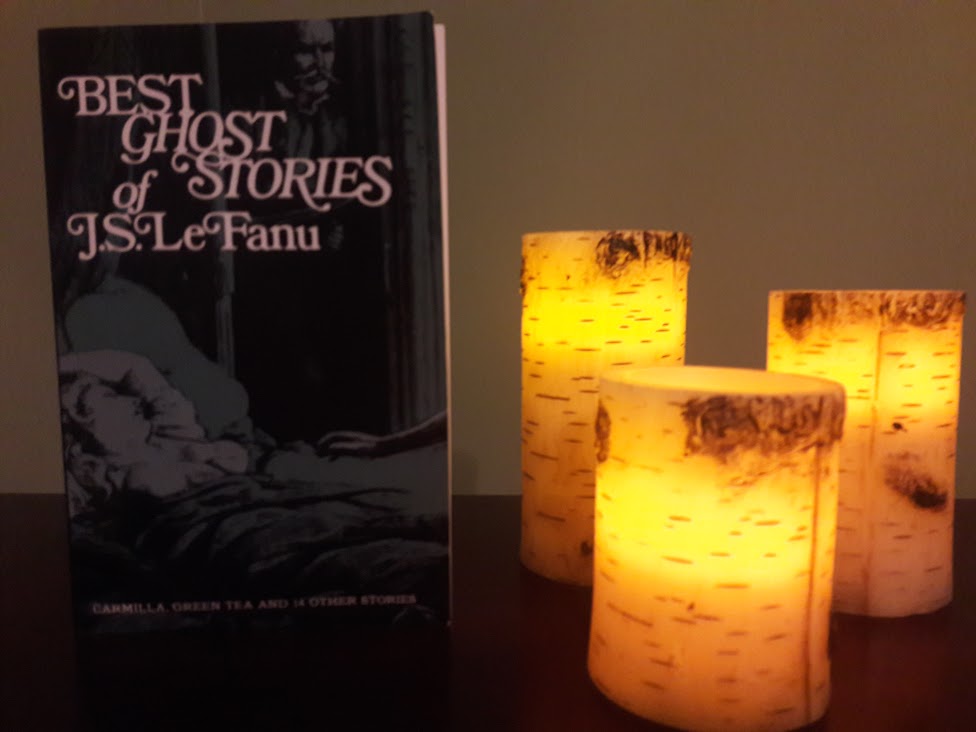
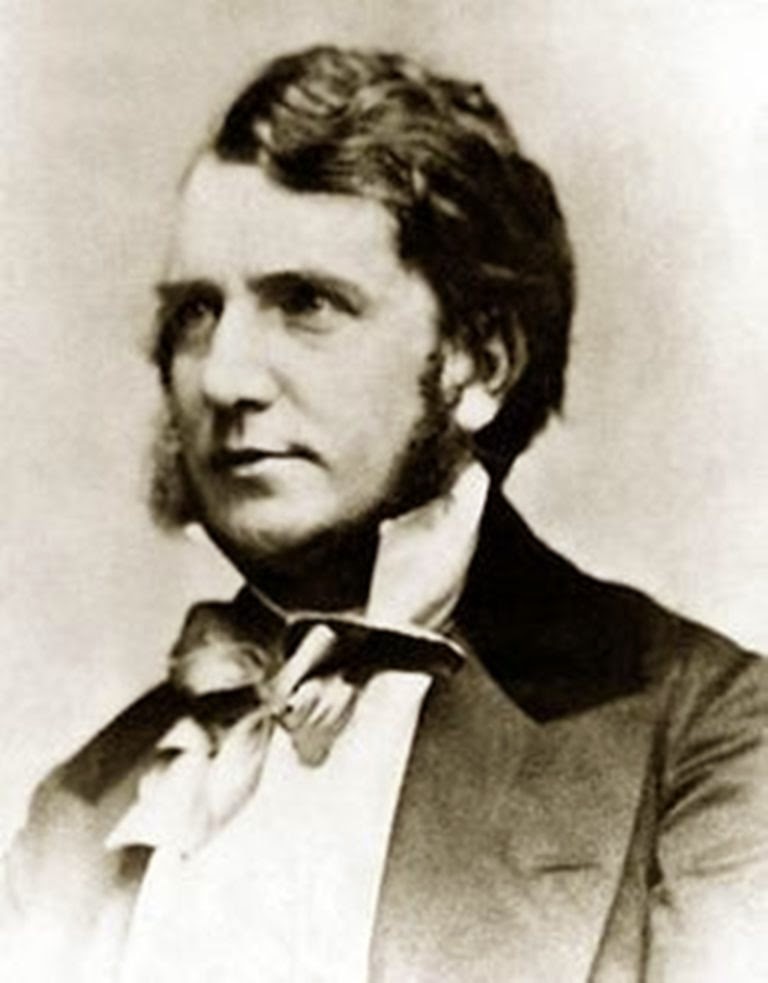 Victorian ghost stories. He influenced many authors of the supernatural, including
 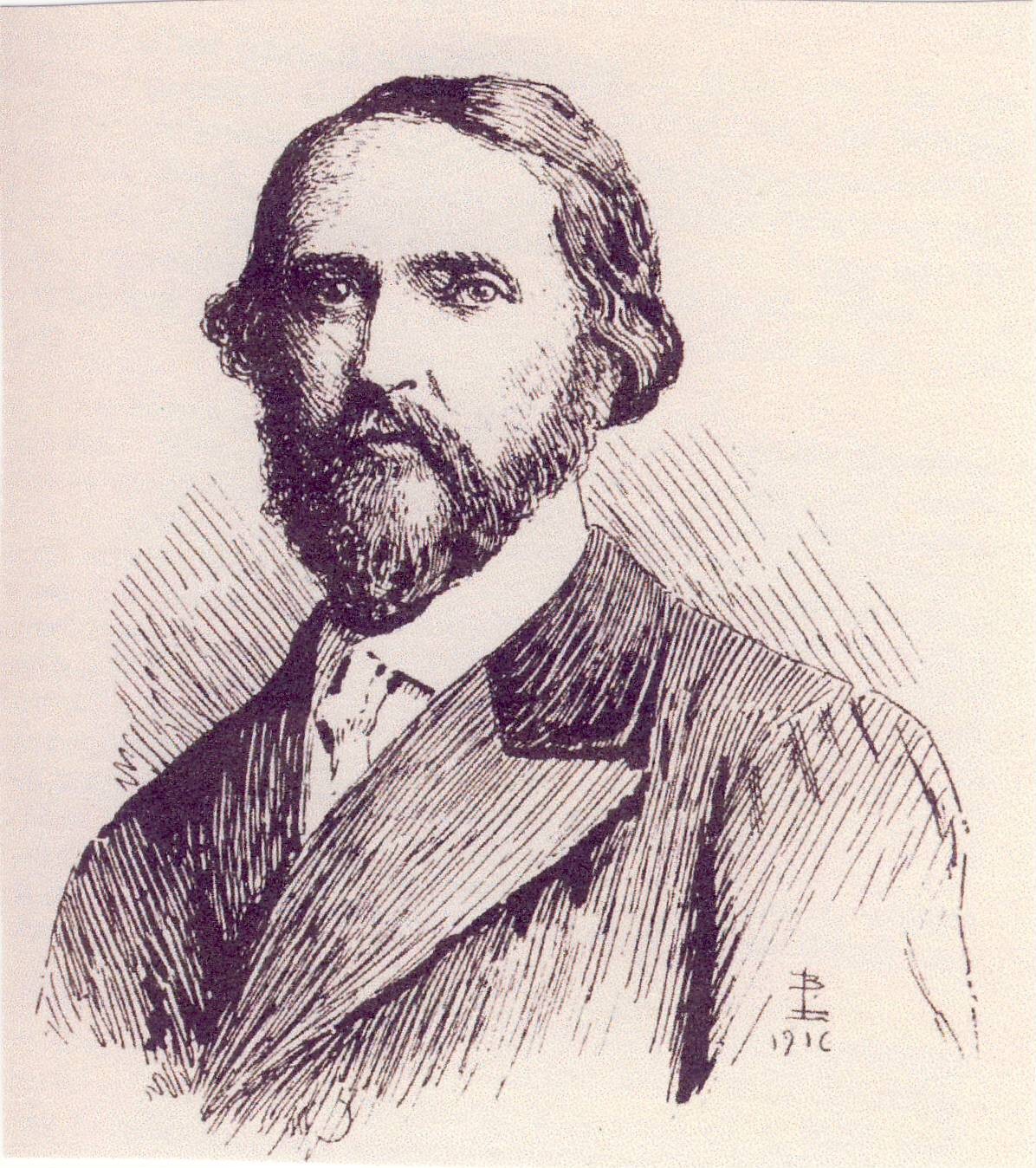 Joseph Thomas Sheridan Le Fanu – who are you?
 I’m willing to bet that the following themes are all too familiar – Kingdom vs. Kingdom. A despotic Prince. Underground passageways. A fleeing princess. Knights on the hunt. Dire prophesies. A castle haunted with phantoms. Have I listed enough clichés?
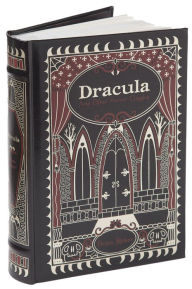 I am a sucker for those hard cover, classic-bound books that are published by Barnes & Noble. I have several, and last autumn I purchased another –
 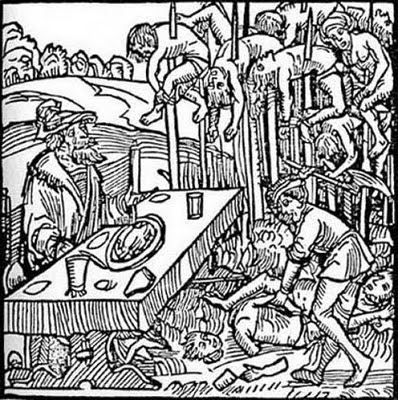 Wallachia, an historical region in what is now Romania. He was also known as Vlad III, Vlad Dracula, The second son of Vlad Dracul (or Draculesti). However, his most famous and notorious alias is Vlad the Impaler. According to


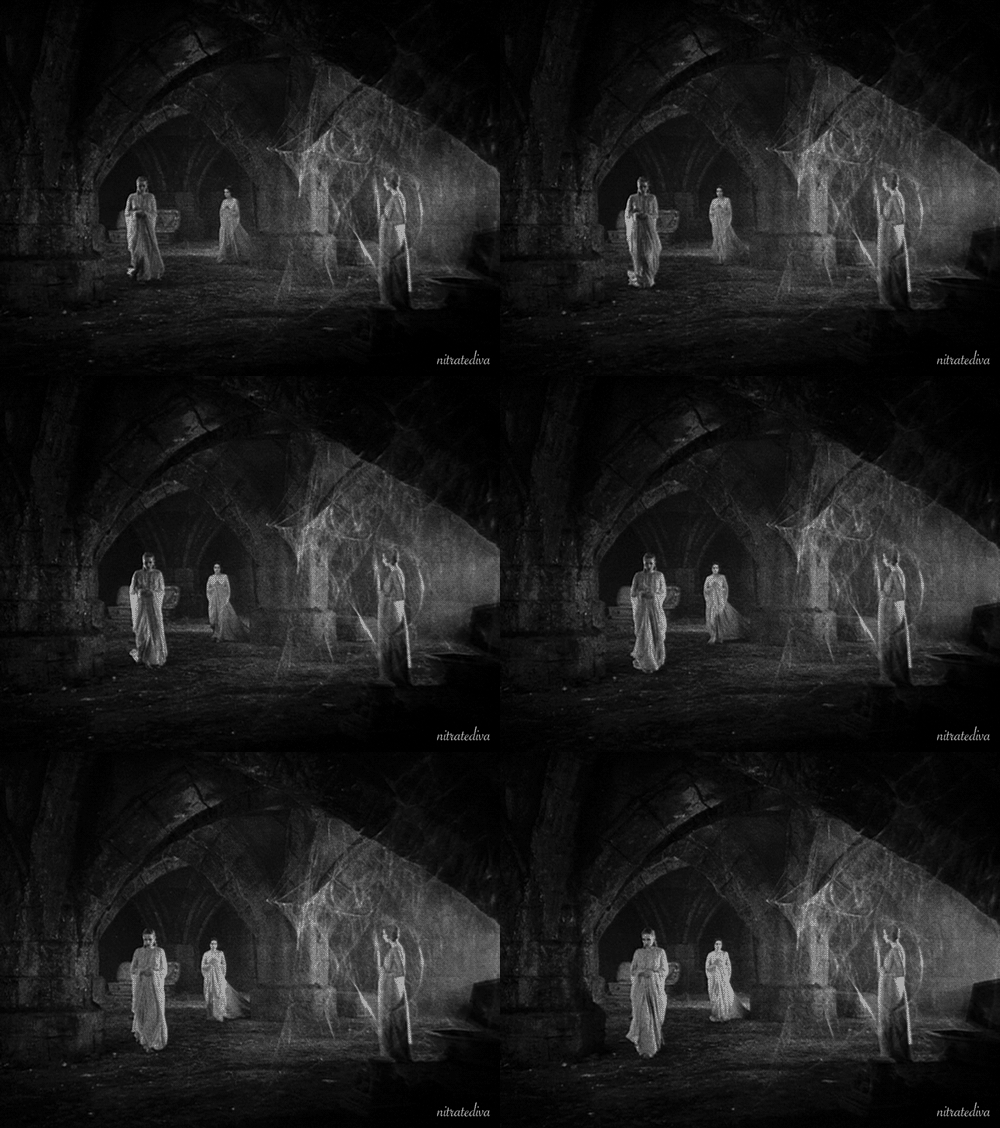
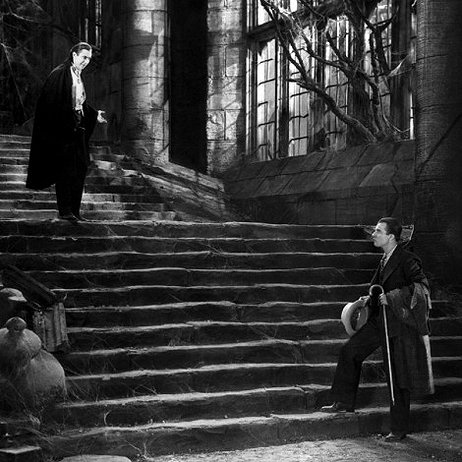 and instructs his guest to follow him – back up the stairs. Wolves are howling in the background and Dracula comments “what beautiful music they make!”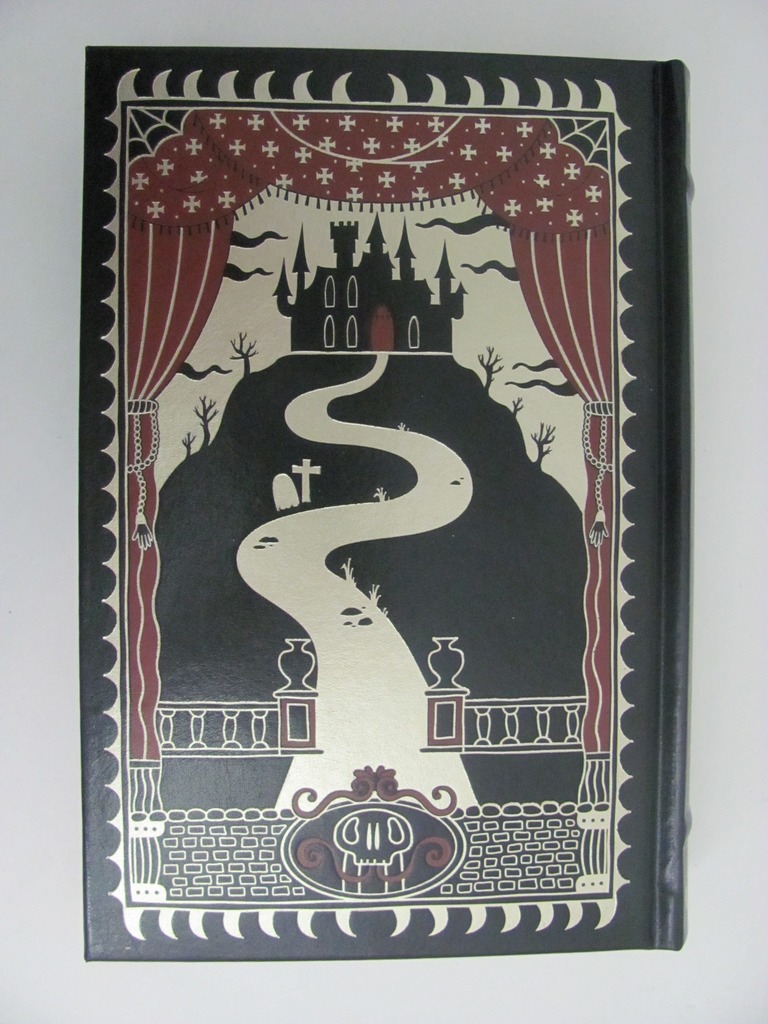
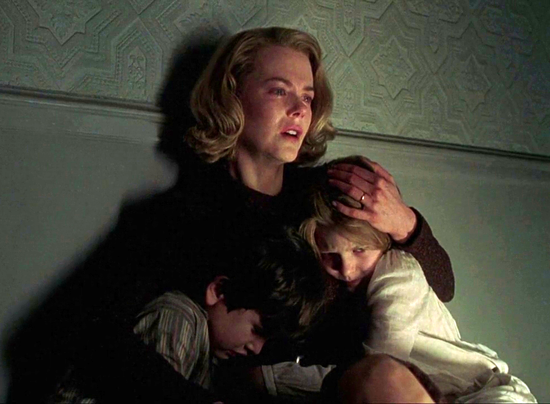 So – you have a large, isolated house on a remote section of an island that is surrounded by gardens and fog; a house that is kept gloomily dark and eerily silent without any devices to connect its occupants with the outside world. What else could there be to make the situation anymore creepier? How about a religious zealot of a mother that tells her children stories about little boys and girls that go to Limbo after they die, which is at the center of the earth where there is fire, and they live there in pain forever and ever – all because they told lies.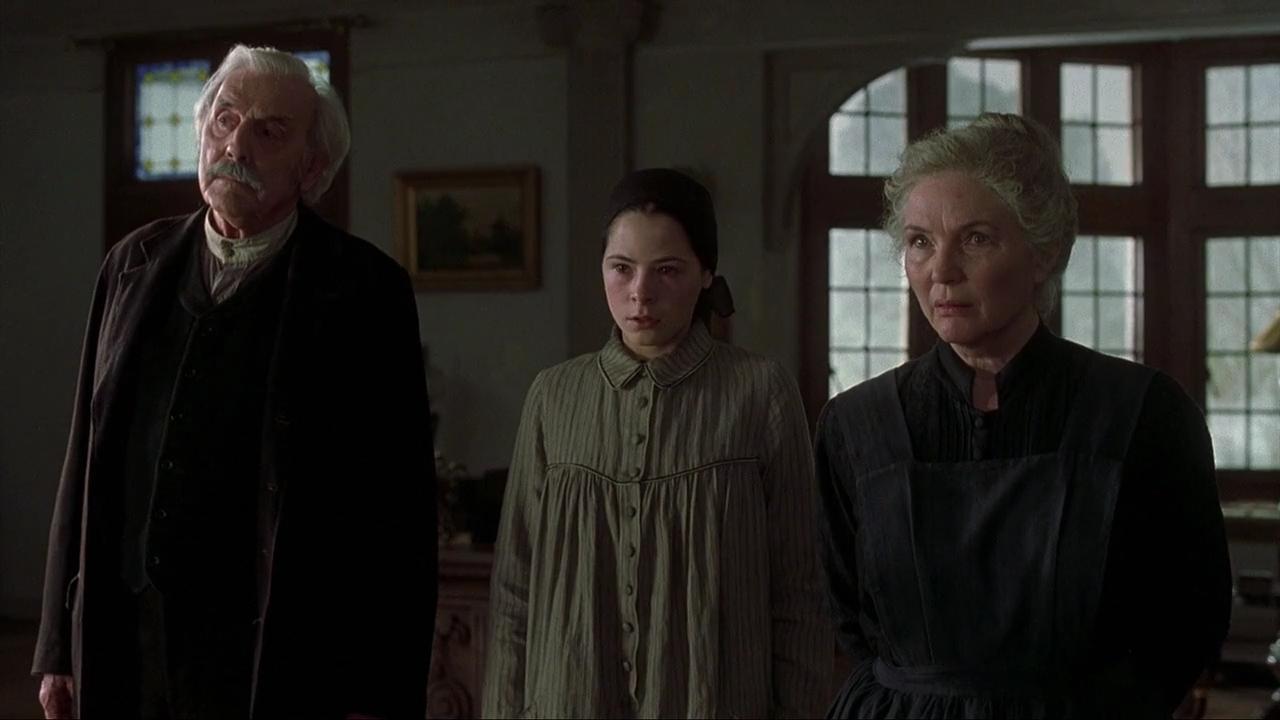
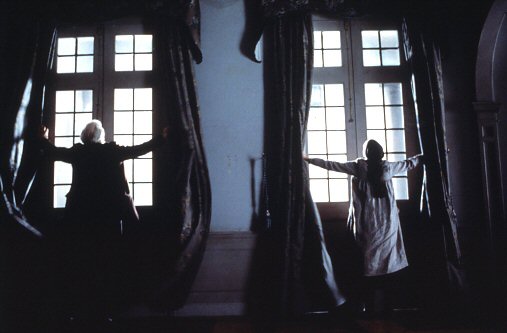 light while she and the three servants search the house. They open all the curtains to bring the dark corners to light. The sunlight beams through the windows one by one. Different shots of the house’s interior literally “come to light”; a long hallway, a room with a clothed table sporting an oil lamp, a den with a fireplace, walls with tapestries and murals. All of these things are common décor in haunted house movies, but in The Others, it is the light that brings out the creepiness within them, not the dark.


 The Books of Daniel